
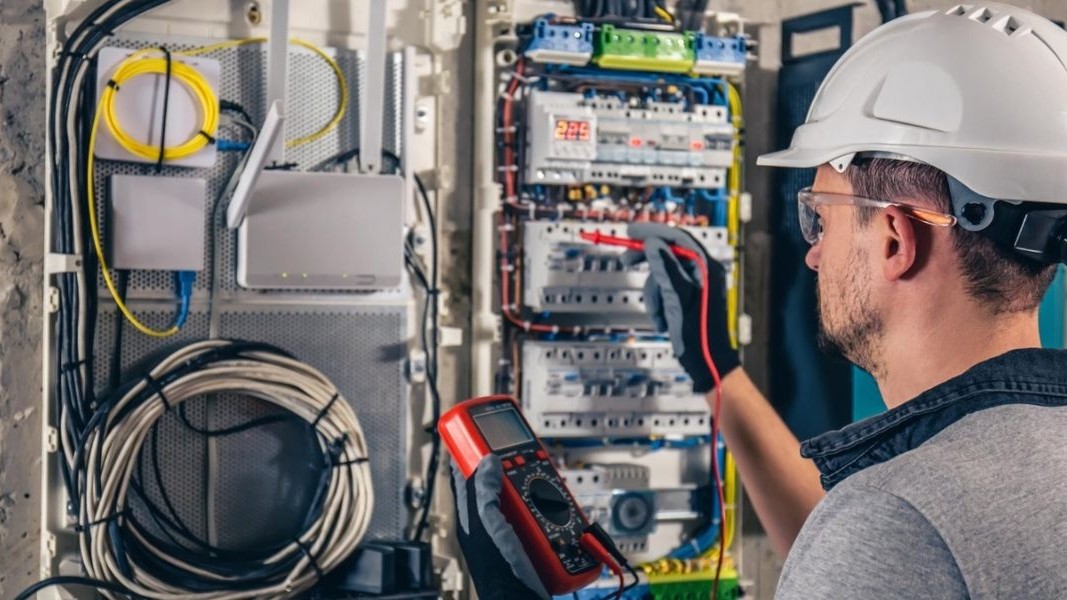
Unexpected equipment failures are one of the biggest causes of costly production downtime. In many cases, however, PLCs don’t fail without warning. They often show subtle signs that something is wrong long before a complete breakdown occurs.
Recognising these early warning signs allows maintenance teams to plan repairs, source replacement components and minimise production interruptions.
In this guide, we’ll explain the most common symptoms of a failing PLC, what causes them and how preventative maintenance can reduce the risk of unexpected downtime.
Programmable Logic Controllers are designed for harsh industrial environments, but they are still electronic devices. Over time, heat, vibration, electrical disturbances and ageing components can reduce their reliability.
Common causes include:
Many PLCs continue operating reliably for years, but identifying potential issues early can prevent minor faults from becoming major production problems.
If your PLC begins generating unexplained fault codes or random alarms, it may indicate failing hardware, communication issues or deteriorating internal components.
Recurring faults should always be investigated rather than simply reset.
A machine that occasionally stops working before restarting normally could indicate an unstable controller, power supply issue or failing I/O module.
Intermittent faults are often among the most difficult problems to diagnose because they don’t occur consistently.
Frequent communication timeouts between PLCs, HMIs, SCADA systems or remote I/O devices may indicate hardware deterioration or failing communication modules.
These issues can become more common as equipment ages.
If programs execute noticeably slower than normal, screens freeze or response times increase, the controller may be approaching hardware failure.
Performance changes should never be ignored.
Many PLCs use batteries to retain memory during power loss.
A low battery warning should be addressed promptly to reduce the risk of losing critical program data during an unexpected power outage.
Inspect your control cabinet regularly for:
Visual inspections often identify problems before electronic testing is required.
This isn’t a fault with the PLC itself, but if replacement modules have become obsolete or difficult to source, a single component failure could result in extended downtime.
Planning ahead allows businesses to secure critical spare parts before an emergency occurs.
Preventive maintenance remains one of the most effective ways to improve system reliability.
Recommended practices include:
These simple steps can significantly reduce the likelihood of unexpected equipment failures.
Not every warning sign means the controller requires immediate replacement.
Many legacy PLC systems continue operating reliably with proper maintenance and timely replacement of supporting components.
However, if failures become frequent, replacement parts are no longer available or production risks increase, it may be time to consider a planned upgrade strategy.
Precision Logic & Control supports manufacturers across Australia by helping identify and source replacement automation components before unexpected failures occur.
We supply new, surplus and obsolete industrial automation equipment, including PLC CPUs, I/O modules, HMIs, communication cards, power supplies and other hard-to-find components from leading manufacturers such as Allen-Bradley, Siemens, Mitsubishi Electric, Schneider Electric, Omron , ABB and more…
Whether you need a replacement part, assistance identifying a fault or support maintaining legacy automation systems, our experienced team is here to help.
Complete failures can occur, but many PLCs show early warning signs such as intermittent faults, communication errors, battery alarms or reduced performance before a total breakdown.
Many industrial PLCs remain in service for 15–25 years or longer. Lifespan depends on environmental conditions, maintenance practices and component availability.
Not necessarily. Many obsolete PLC systems continue operating successfully with proper maintenance and access to replacement components. Planning ahead and maintaining critical spare parts can often extend the life of existing equipment.
Downtime is expensive, but unexpected failures are not always unavoidable. Recognising the early signs of a failing PLC gives maintenance teams time to investigate issues, source replacement components and schedule repairs before production is affected.
If you’re experiencing recurring PLC faults or need assistance sourcing replacement automation components, Precision Logic & Control can help keep your systems operating reliably.
© Copyright 2026. Precision Logic & Controls All Rights Reserved.